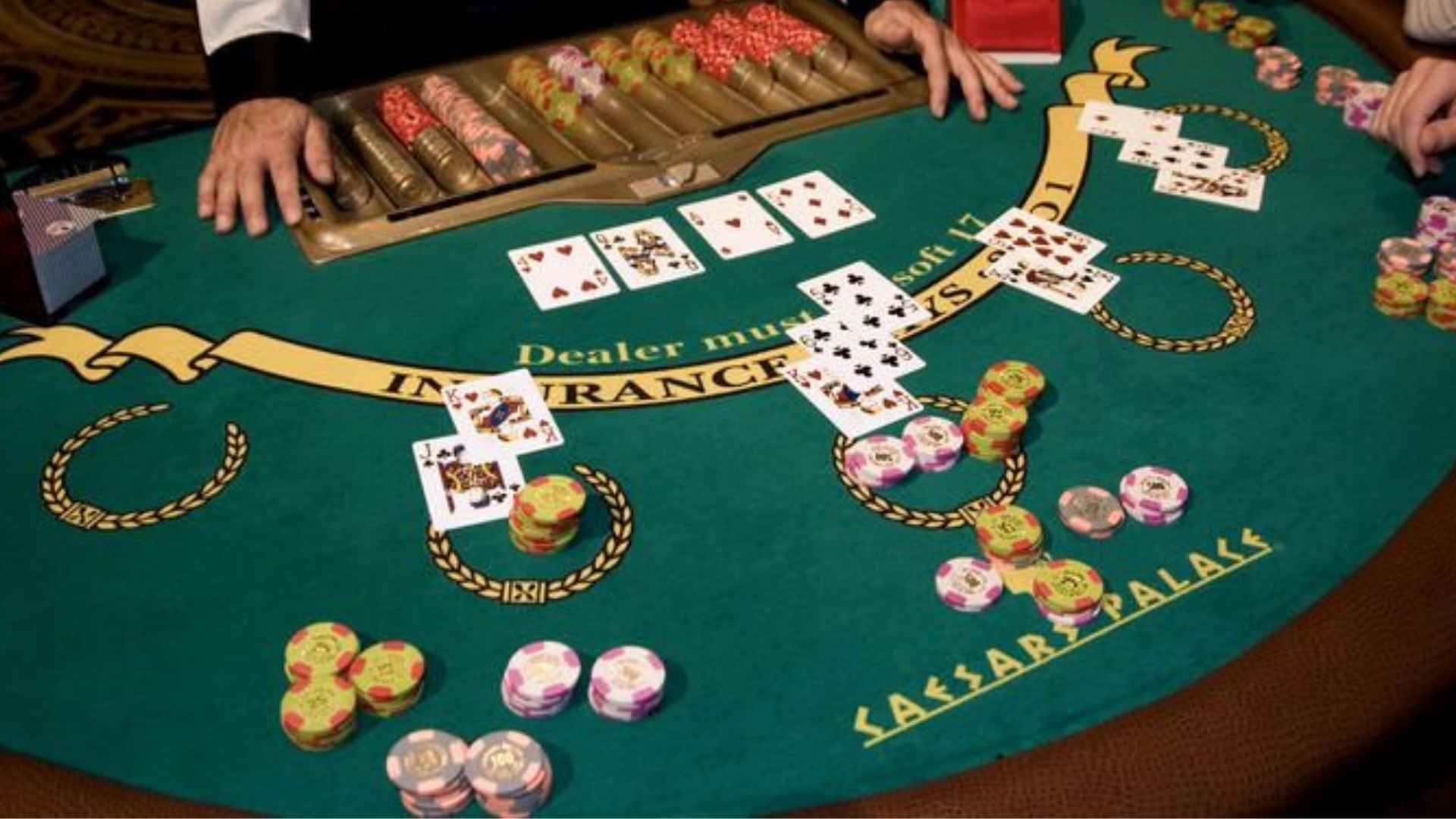
Mastering the tactical elements of poker requires a strong understanding of mathematical probabilities and strict emotional discipline. Many players find themselves losing substantial chip stacks not because they lack a basic understanding of the rules, but because they struggle to let go of incomplete card combinations. Developing the ability to recognize when a draw is no longer profitable is essential for protecting your bankroll and sustaining long-term success at the tables.
The Mathematical Reality of Hidden Leaks
Counting your active outs accurately forms the foundational basis of any successful post-flop strategy. However, many developing enthusiasts make the critical mistake of counting drawing cards that actually improve an opponent's hidden range. These disguised threats turn seemingly strong draws into highly dangerous mathematical traps that bleed chips over multiple betting rounds.
When you call a large bet hoping to hit a low-probability combination, you are often burning valuable capital that could be used more effectively in future sessions. Profitable competitors understand that mathematical reality must always override the emotional desire to win a specific pot. Evaluating the true quality of your drawing cards realistically prevents you from falling into predictable behavioral traps.
Evaluating Table Context and Range Strengths
A common operational flaw among casual players is evaluating card strength in complete isolation from shifting table dynamics. An open-ended straight draw might look incredibly promising on the surface, but a heavily coordinated board texture often indicates that an opponent has already constructed a superior hand. Failing to analyze betting patterns carefully leads to making incredibly costly calls under extreme psychological pressure.
Before committing more chips to the pot, you must always assess the likelihood of your completed hand remaining vulnerable to a re-raise. If the community cards indicate potential full houses or higher flushes, your estimated outs may actually be completely dead. Utilizing a trusted resource, like the M88 link platform, can help you study these delicate analytical scenarios in a secure environment.
The Psychological Battle Against Impulsive Calls
Chasing low-probability combinations is frequently driven by emotional frustration rather than objective, logical reasoning. When a player experiences a series of tough sessions, the internal urge to force a spectacular comeback often clouds their mathematical judgment. This reactive state of mind replaces systematic calculation with reckless gambling, which quickly decimates a healthy bankroll.
Maintaining absolute mental control ensures that every strategic choice you execute is backed by solid probability figures. Recognizing the early warning signs of emotional impatience allows you to step back and re-evaluate the board state calmly. Cultivating internal resilience at the green felt remains just as vital as memorizing basic starting hand charts.
Protecting Your Total Stack Longevity
Sustaining a highly profitable career at the card tables requires a relentless commitment to minimizing unnecessary operational risks. Knowing when to fold a marginal draw allows you to preserve your chip stack for scenarios where you possess a distinct statistical advantage. True mastery over the game is built upon the disciplined accumulation of small, well-calculated decisions over time.
Every chip saved by avoiding an impossible draw directly contributes to your overall win rate and long-term sustainability. Shifting your tactical focus toward strict risk management transforms highly chaotic sessions into manageable encounters. Protecting your capital ensures that you always stay prepared to capitalize on premium opportunities when they finally arrive.