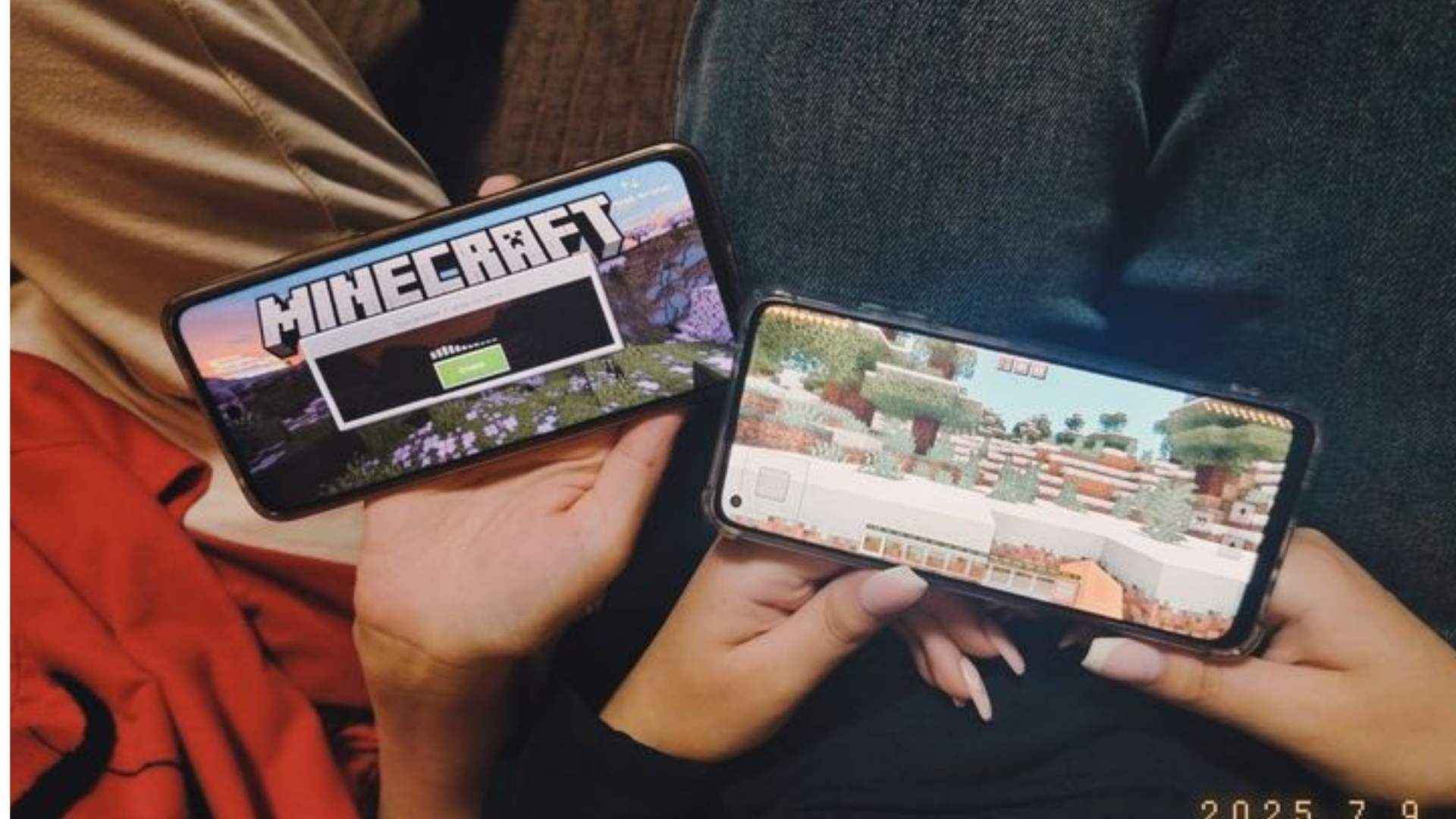
The modern gaming landscape has transformed from isolated single-player journeys into vibrant digital spaces that prioritize collective problem-solving. While traditional cooperative titles rely on standard mechanical tasks, a new generation of multiplayer experiences challenges groups to invent unique strategies. By blending expressive building mechanics with complex structural design, these virtual spaces allow individuals to discover innovative ways to communicate across distances.
The Evolution of Shared Virtual Building
Early multiplayer formats often limited participant interaction to basic resource gathering and direct combat simulation. Contemporary platforms have expanded this design philosophy by offering open-ended toolkits where players design their own solutions to complex puzzles. This paradigm shift requires teammates to synchronize their workflows and establish real-time coordination strategies to overcome elaborate environmental hurdles.
As these persistent worlds grow in popularity, communities continue to develop highly structured development pipelines within their interactive sessions. Players regularly divide responsibilities, assigning separate architectural roles to maximize efficiency and achieve grand engineering projects. This high level of specialization demonstrates how contemporary game design fosters advanced analytical skills alongside creative expression.
Enhancing Collaborative Communication and Dynamics
Working within these highly flexible environments requires rapid communication and the ability to adapt to sudden layout adjustments. Lean text chats are frequently replaced by comprehensive voice systems and integrated spatial markers to facilitate seamless design changes. These collaborative upgrades allow distributed teams to easily align their visions without disrupting the flow of gameplay.
To refine your technical gameplay approach and learn more about interactive gaming hubs, you can access the M88 link for comprehensive global insights. Staying informed about modern server ecosystems enables enthusiasts to seamlessly connect with like-minded creators across different platforms. Building these long-term community connections ultimately enhances the overall quality of collaborative online matches.
Solving Non-Linear Structural Challenges
The core appeal of these dynamic multiplayer systems lies in their total lack of rigid, single-path solutions. Teams must constantly brainstorm and test alternative strategies, turning structural failures into learning opportunities for the entire group. This experimental design approach encourages participants to think critically about resource distribution and space optimization.
Furthermore, regular community-driven events and developer updates constantly introduce fresh variables to the digital sandbox. These ongoing modifications prevent strategies from becoming stagnant, forcing teams to reinvent their building strategies every season. The resulting environmental unpredictability ensures long-term replay value and sustained cognitive engagement for global player bases.